




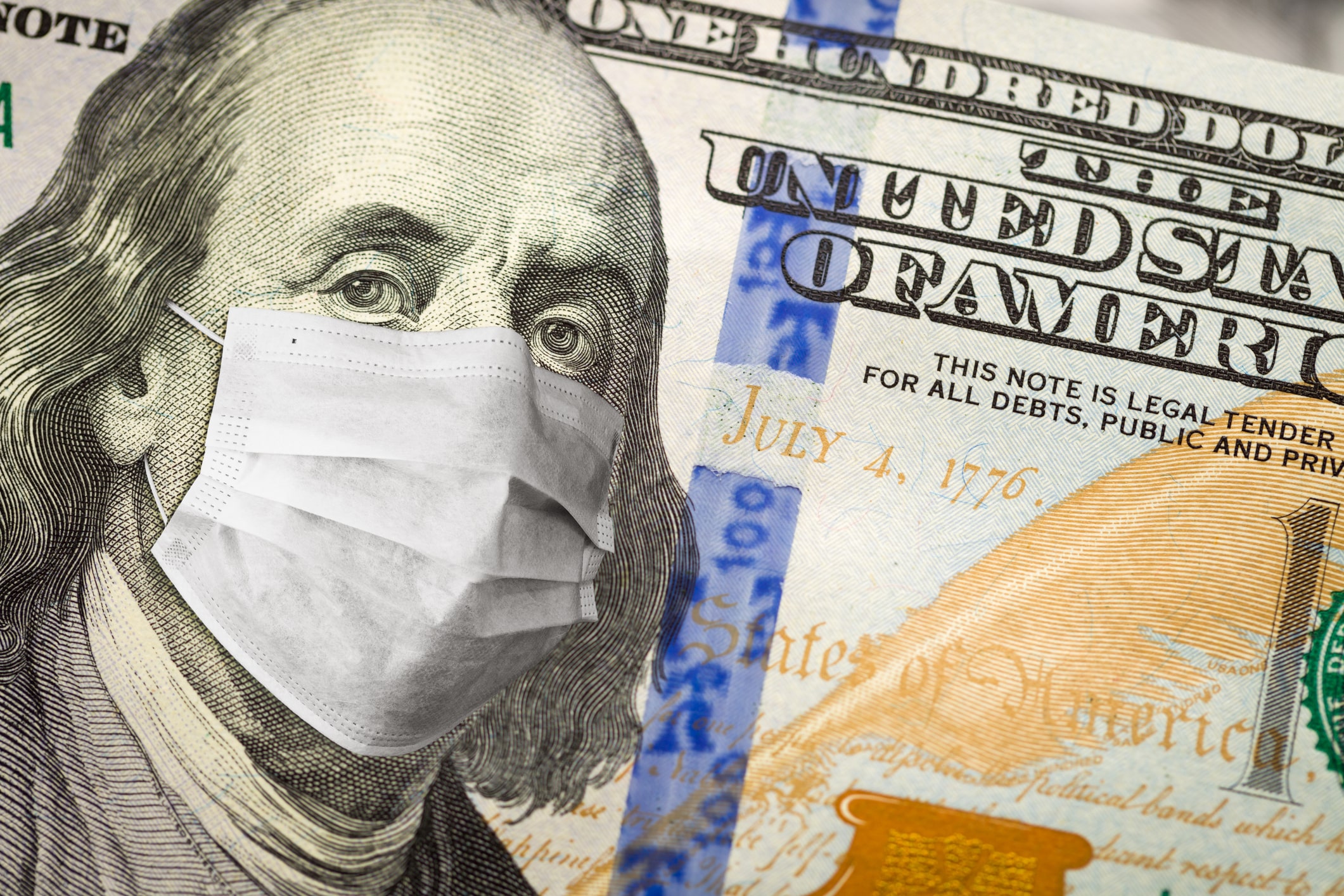
With the rise of coronavirus cases across the U.S. this summer, especially in southern and western states, the American Bankers Association has recommended that banks require anyone entering a branch to wear a face mask.
“Requiring the use of masks and face coverings is a step every bank can take to ensure that our industry is doing everything it can to protect our employees, customers and the communities we serve,” Rob Nichols, ABA president and CEO, said in a statement. “We owe it to frontline bank staff to prioritize their safety and to contribute to the wider effort to limit the spread of this infection.”
Wearing masks in banks and credit unions has traditionally been associated with bank robberies. Nichols sent a letter earlier this week recommending face masks to ABA member after consulting with the trade organization’s executive committee, the statement said.
Connecticut has had a mask mandate since late April, when Gov. Ned Lamont required face masks or cloth face coverings in public places where social distancing is not possible. While some Connecticut banks still have limited access to lobbies, those that have reopened require customers and employees to wear masks.
At Newtown Savings Bank, an employee greets and identifies customers at the door before allowing them into the lobby. Liberty Bank, which reopened its lobbies to walk-in customers yesterday, has customers sign-in before entering.
Berkshire Bank on its website is asking anyone who chooses not to wear a mask to use a drive-through window or other banking options, including online tools.
The ABA also acknowledged that some customers prefer using branches.
“We have seen a significant increase in online banking across the country, but we realize some customers occasionally need to visit a branch and some prefer it,” said Paul Benda, ABA’s senior vice president for Risk Management. “The data clearly show that wearing a mask or face covering when indoors reduces the threat of infection for everyone, which is why we are urging banks of all sizes to adopt this policy.”

