




Courtesy photo / File
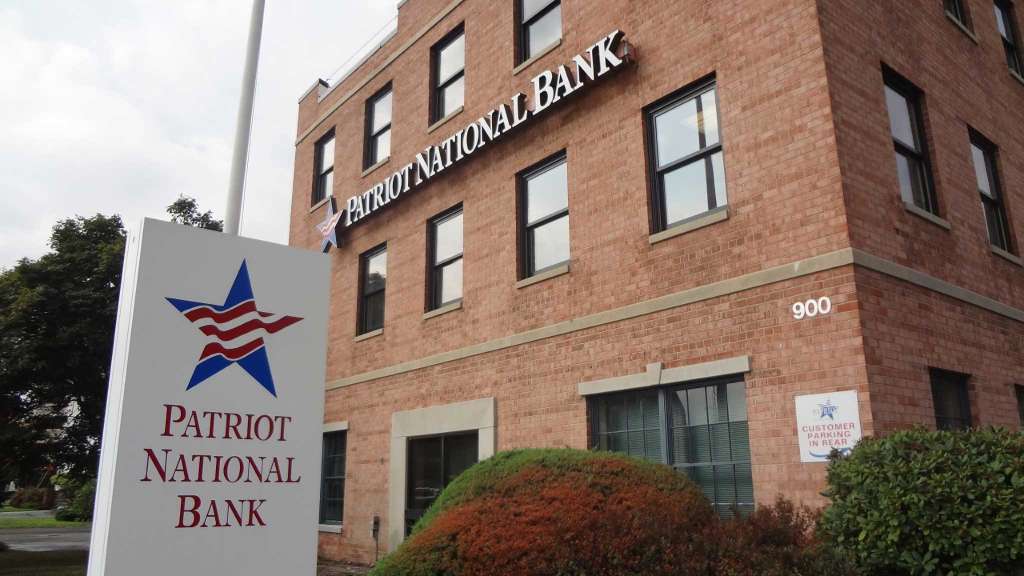
Despite a bad loan and problems with federal regulators, the parent company of Stamford-based Patriot Bank managed to have a profitable fourth quarter of 2018.
The company reported net income at $172,000, or $0.04 per fully diluted share, compared to net income of $600,000 in the fourth quarter of 2017 and net income of nearly $770,000 in the third quarter of 2018. Net interest income in the fourth quarter was was $7.1 million, an increase of 5 and 2 percent from the prior quarter and the corresponding 2017 period, respectively. The margin ended 2018 at 3.2 percent, down 31 basis points for the end of 2017.
The net income was lower in the fourth quarter due to an additional $1 million to the bank’s provision for loan losses associated with one loan stemming from operating cash flow weaknesses and a collateral shortfall. There was also $330,000 of expenses, primarily related to costs associated with the acquisition of Prime Bank and Hana Small Business Lending.
“2018 was a productive year for Patriot. Core performance and assets grew steadily, the acquisition of Prime Bank was completed, and the Bank’s SBA loan division has made significant strides,” Patriot’s CEO Michael Carrazza said in a statement. “In February 2018, Patriot entered in to a transaction with Hana Small Busines Lending, which remains subject to regulatory approvals. Value-creating activities have led to a significant increase in regulatory oversight from prior years.The bank continues to maintain strong capital and sustained growth in its core operations.”
The bank announced in February that it would be acquiring Hana Small Business Lending, a company that specializes in originating loans in partnership with the U.S. Small Business Administration. Hana has originated nearly $1 billion of SBA 7(a) loans since its inception in 2006.
The deal seemed to be moving along, as the company in July announced that it had completed a $10 million private placement offering, a portion of which was supposed to be used to complete the deal. Banks that are allowed to make acquisitions and mergers are usually deemed to be in good standing with regulators.
But after incurring close to $1 million in acquisition-related expenses, Patriot Bank on Oct. 29 withdrew its initial application to the U.S. Office of the Comptroller of the Currency requesting approval of the acquisition. Shortly after, the bank entered into a formal agreement with the OCC.
The agreement states that Patriot Bank must establish a Compliance Committee consisting of at least three directors that would be deemed responsible for monitoring and coordinating the bank’s adherence to the agreement. The agreement also required the bank to develop and implement a comprehensive conflict of interest policy applicable to the bank’s directors, principal shareholders, executive officers, affiliates and employees. Additionally, the bank was told to develop and implement formalized standards governing the performance and compensation of all senior executives and executive management, including that of the CEO.
Despite the order, Patriot CFO Joseph Perillo told The Commercial Record in December that the bank had a “clean bill of health” when it came to the Community Reinvestment Act and was well-capitalized, although he added that there could be further discussion with regulators when it came to the maintenance of capital levels in conjunction with the acquisition of Hana. He also said at the time the bank is still negotiating the deal with Hana and that the new deal would be scaled down. But, he added, the bank still believes the acquisition would add value and, if current negotiations are successful, could close sometime in the first quarter of 2019.
Even with all the news surrounding the deal, Patriot grew assets to more than $950 million, up about $100 million from the end of 2017. Net loans were up about $60 million from the end of 2017, reaching more than $770 million. The bank did, however, see its credit deteriorate, as nonperforming assets as a percentage of total assets jumped to 1.18 percent, up from.44 percent at the end of 2017.

